A vessel is increasingly less like a collection of disparate mechanisms and increasingly more like an integrated energy and information system. The reliability of power distribution, the quality of drive control, cybersecurity, shore connectivity, and equipment compatibility now determine a project no less than hull lines or main engine power.
Below is the editorial top 10 as of 25 August 2026. This is not an official ranking: events were selected based on scale, technological novelty, and impact on marine equipment.
1. Electrical switchboards for the icebreaker “Leningrad” passed RS survey
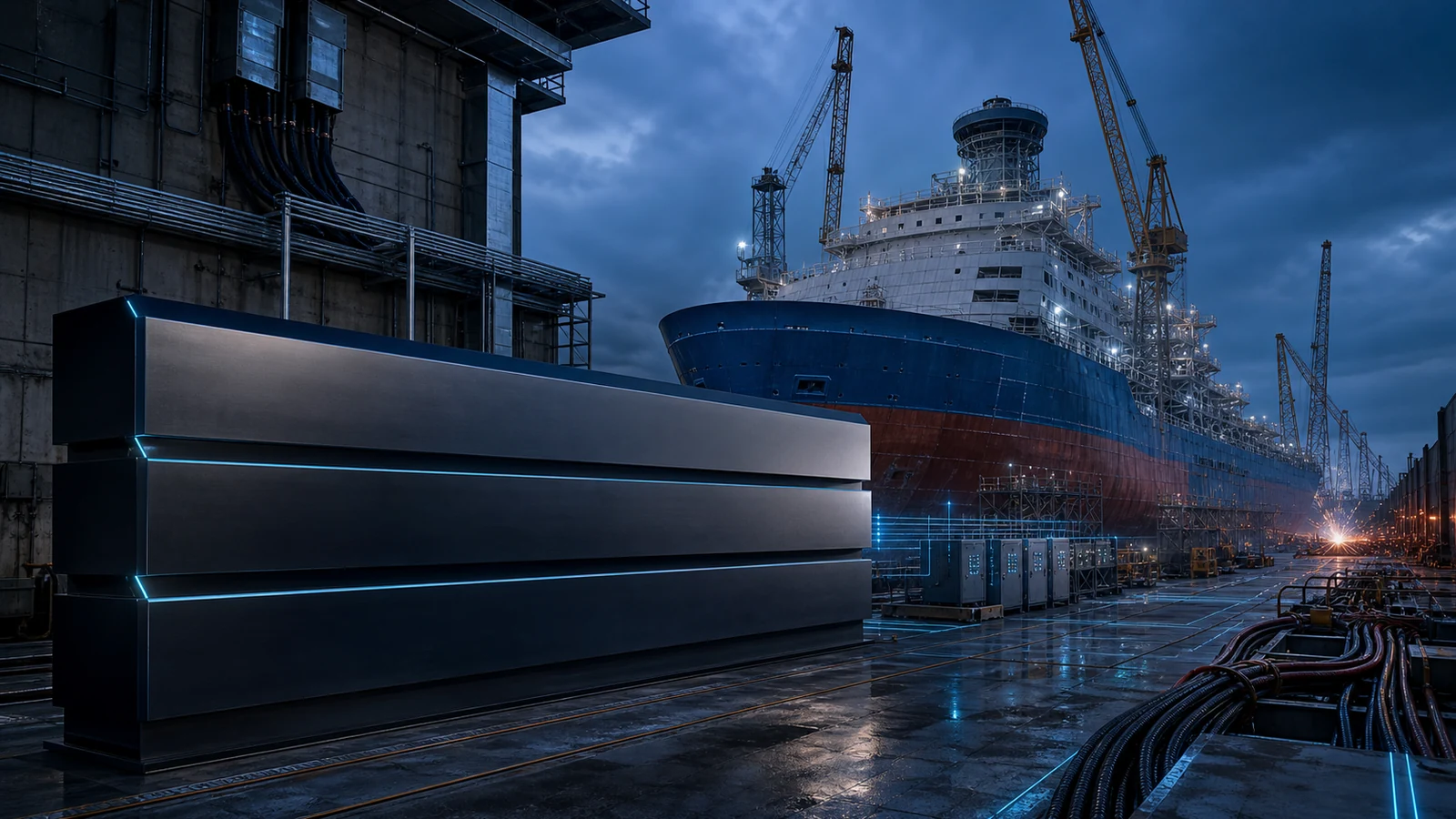
On 24 August, the Russian Maritime Register of Shipping confirmed compliance with RS Rules of the shore power switchboard ЩПБ2 and the low-voltage switchboard ЩПН1 for the nuclear icebreaker “Leningrad” of Project 22220 under construction. The equipment's climatic version is designed for Arctic operation at temperatures from −40 to +45 °C, high humidity, salt fog, and continuous hull vibration.
Source: Russian Maritime Register of Shipping ↗
2. Fifth RSD59 series dry cargo vessel launched in Shlisselburg
On 5 August, the Nevsky Shipbuilding and Ship Repair Plant of USC launched the dry cargo vessel “Arkhip Kuindzhi” of Project RSD59. This is the fifth vessel in the series at the shipyard. Series production makes it possible to standardize equipment packages, reuse proven engineering solutions, and establish predictable supplier cooperation.
Source: United Shipbuilding Corporation ↗
3. National Research Center for Shipbuilding named after Academician A. N. Krylov established
By Order No. 777-r of the Government of Russia dated 8 April 2026, the National Research Center for Shipbuilding named after Academician A. N. Krylov was established. The center is intended to bring together research, design and technological competencies, and the full R&D innovation cycle in priority areas of shipbuilding and marine engineering.
Source: Government of Russia ↗
4. Domestic “Okean-22220” system receives Register confirmation
On 4 March, RS completed the survey of the “Okean-22220” control, protection, monitoring, and signalling system for marine electric propulsion. The solution for nuclear icebreakers is integrated into a redundant fiber-optic ring and provides control of propulsion electric motors without peak loads on the reactor and steam-turbine plants.
Source: Russian Maritime Register of Shipping ↗
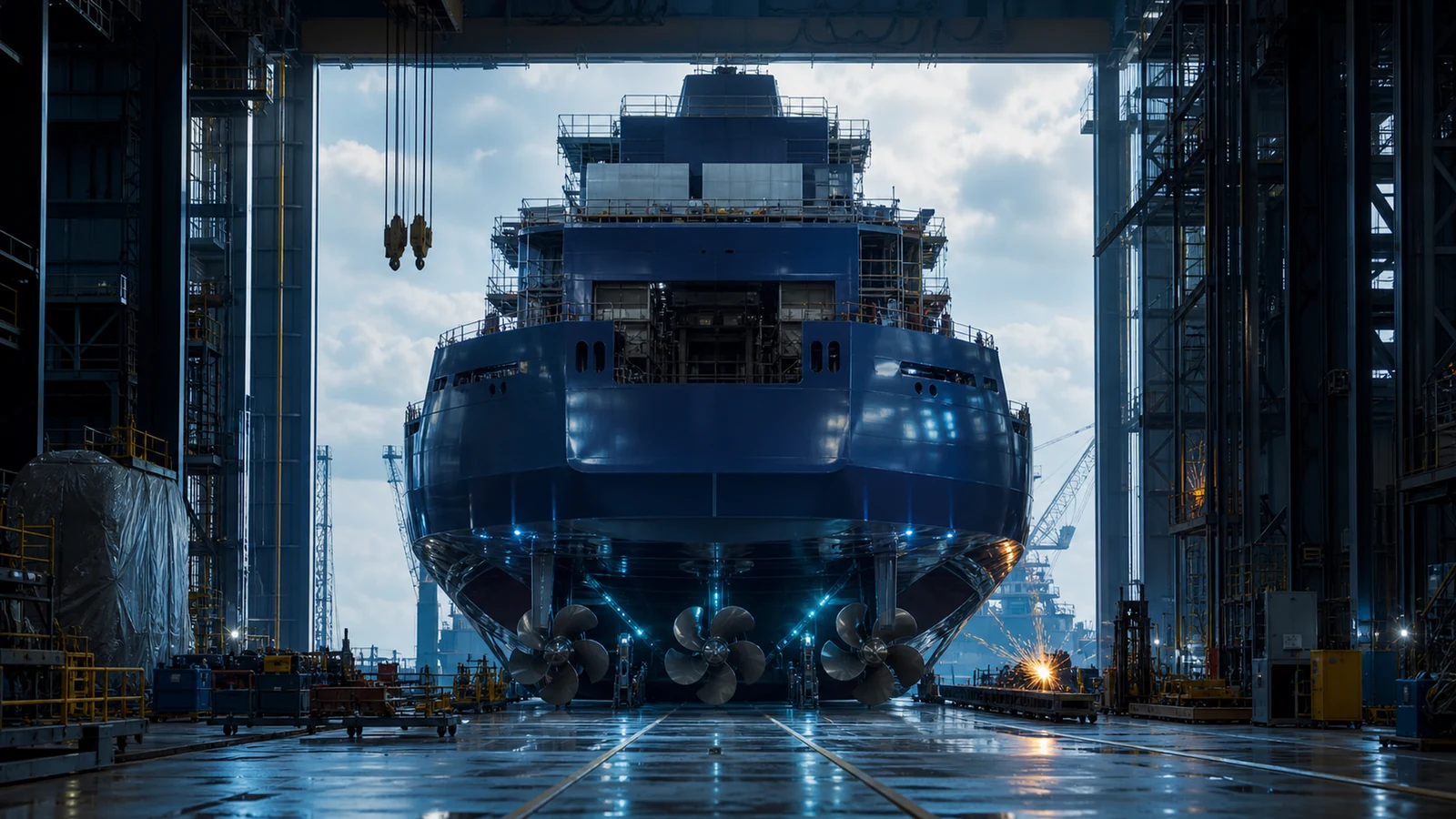
5. The 22220 series continued with the keel laying of the icebreaker “Stalingrad”
On 18 November 2025, the nuclear icebreaker “Stalingrad” was laid down at the Baltic Shipyard—the seventh vessel of Project 22220. Its total power on three shafts is 60 MW. For electrical engineering cooperation, continuation of the series means a long-term demand outlook for power distribution, drives, automation, protection, and diagnostics.
Source: Russian Maritime Register of Shipping ↗
6. IMO adopts the first international code for autonomous vessels
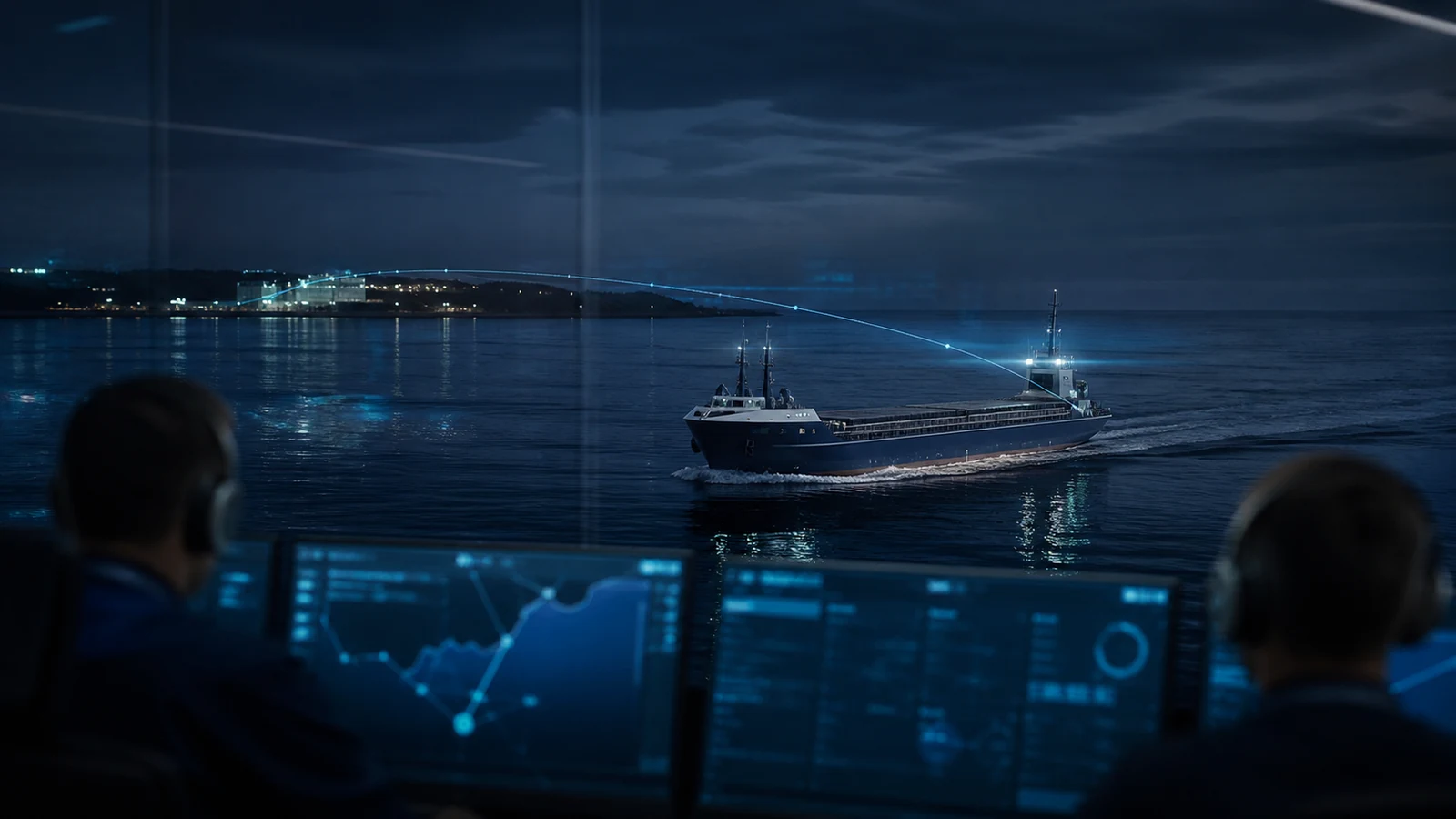
On 22 May, the International Maritime Organization adopted the first International Code of Safety for Maritime Autonomous Surface Ships—the MASS Code. From 1 July 2026, the document is in force as non-mandatory: the industry gains a practical basis for navigation, communications, remote control centres, risk assessment, and cybersecurity.
Source: International Maritime Organization ↗
7. Ammonia propulsion enters ocean-going newbuilds
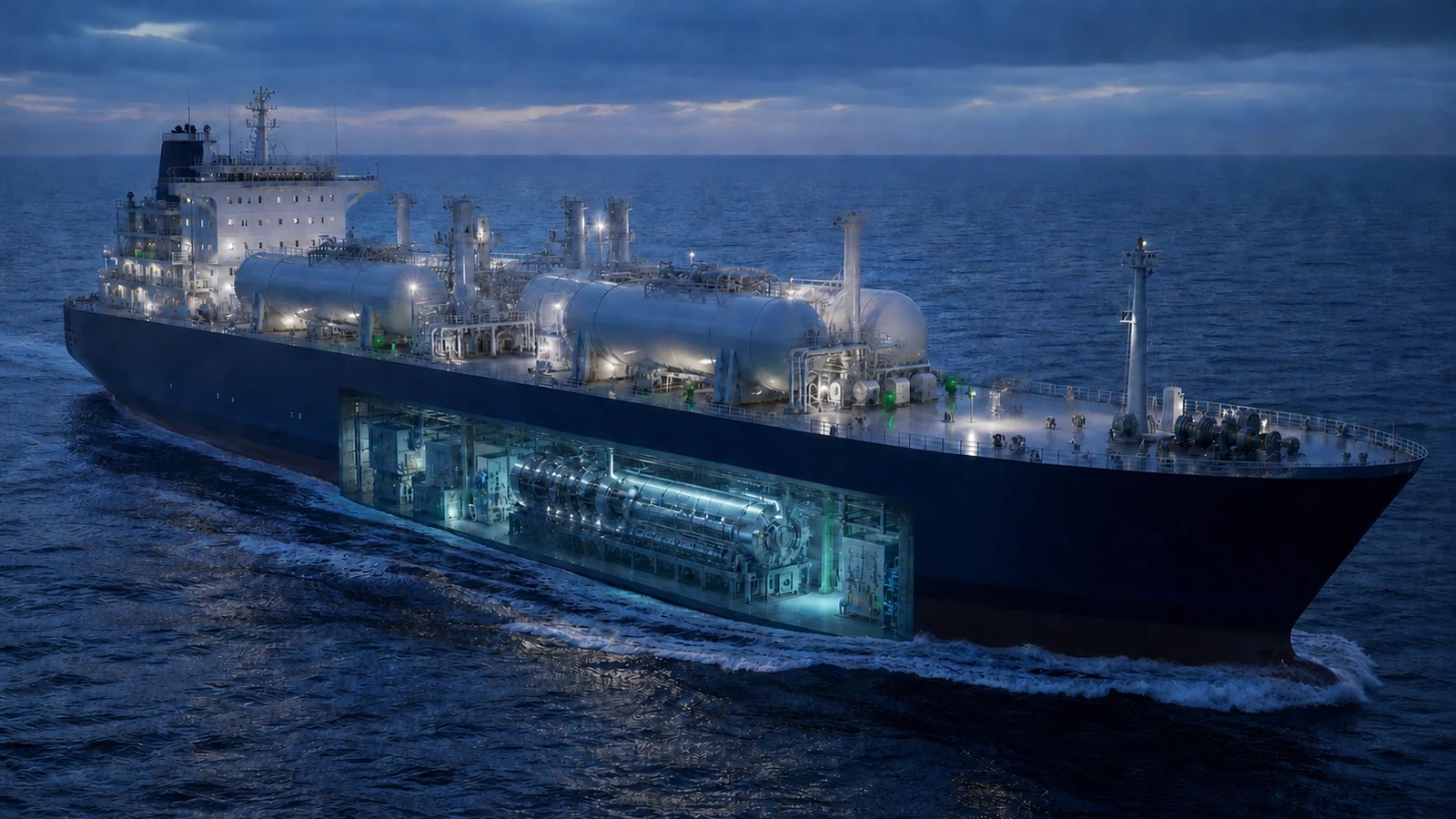
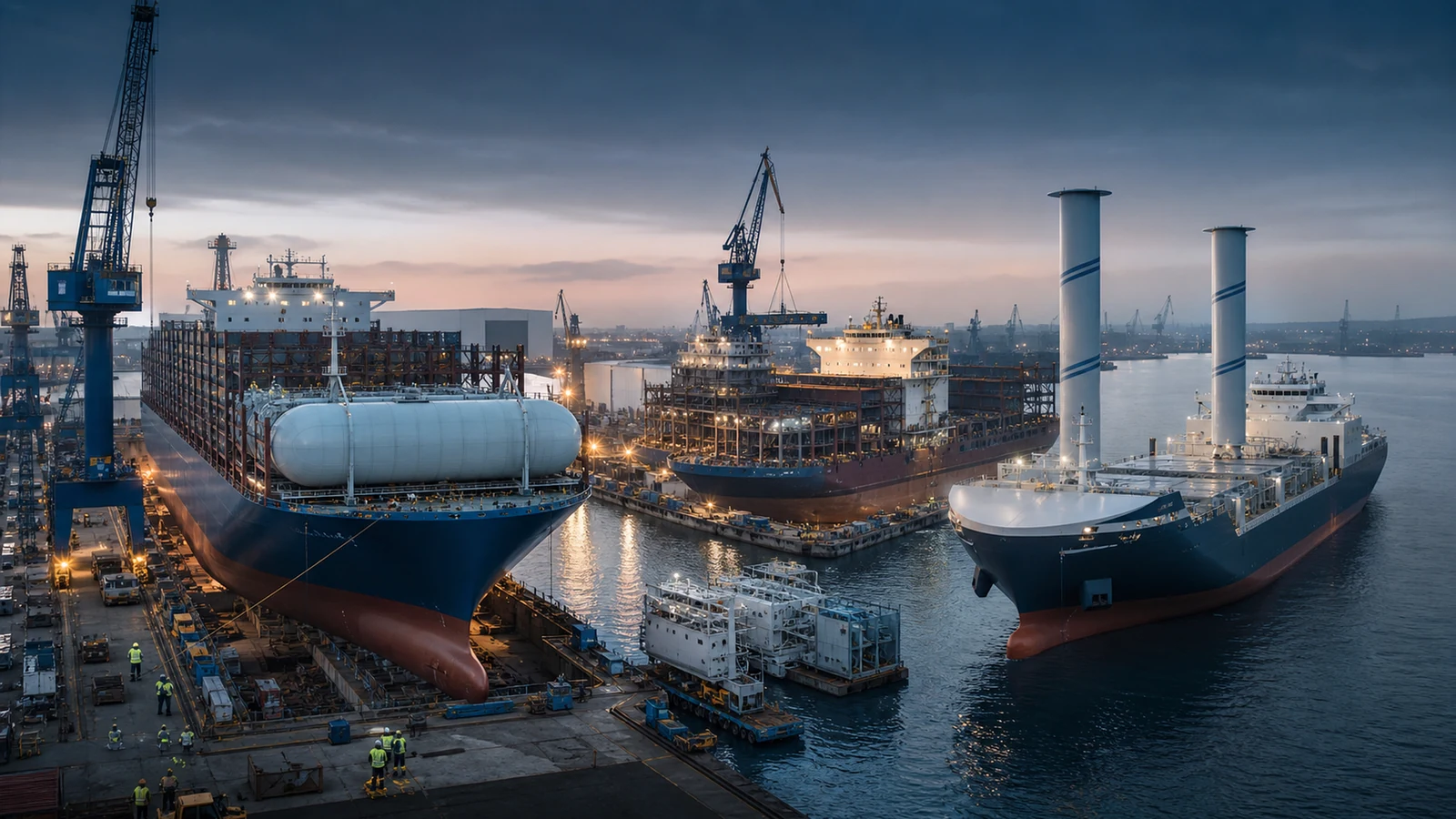
On 10 June, EXMAR reported receiving the 46,000 m³ gas carrier ANTWERPEN. According to the owner and shipyard, this is the first ocean-going vessel with a dual-fuel main engine capable of using ammonia. The technology raises requirements for the fuel system, ventilation, gas detection, emergency shutdown, and crew training.
8. The largest battery-powered vessel commissioned its electric power plant
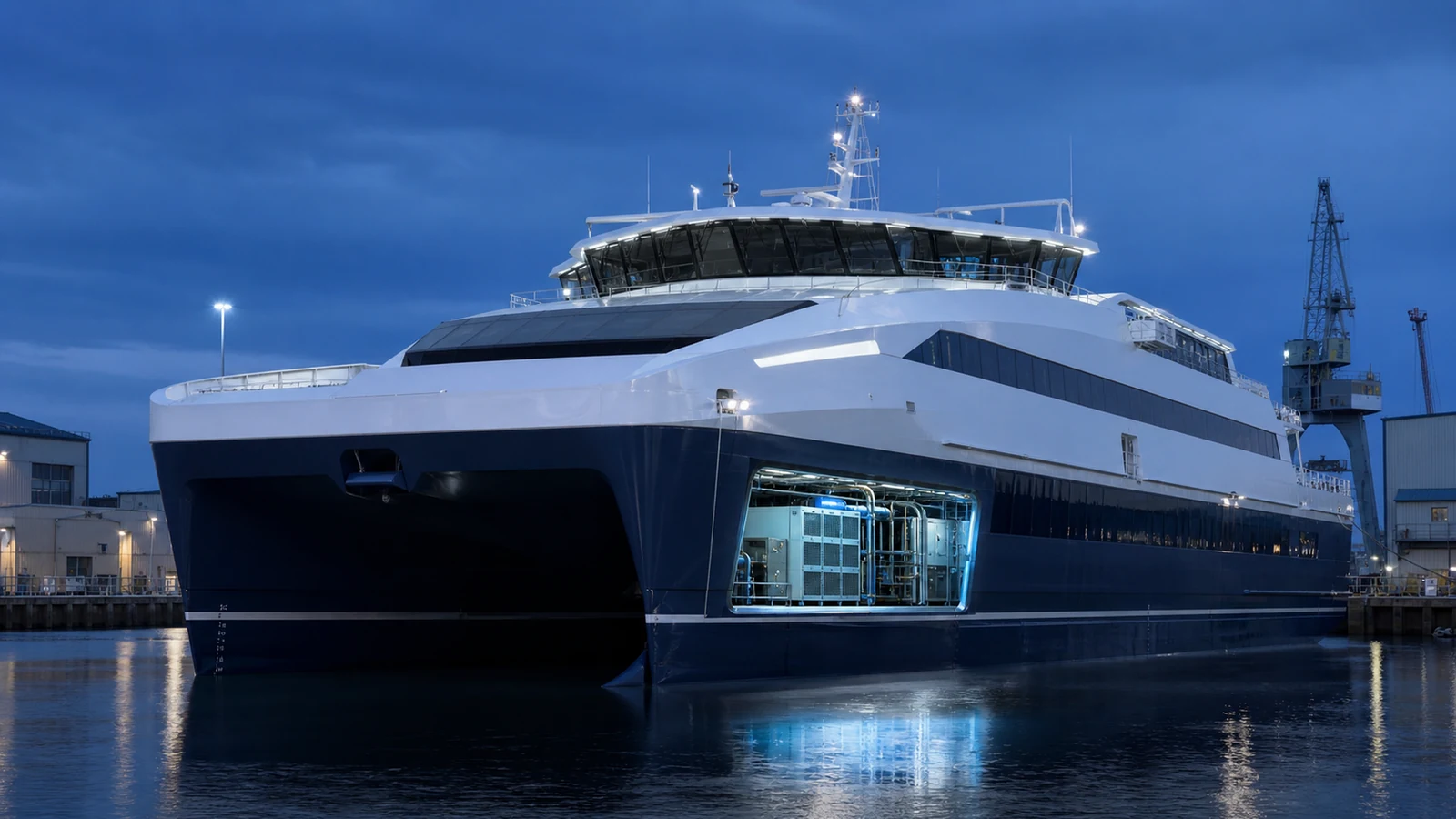
On 14 December 2025, the Hull 096 electric motors were started for the first time at the Incat shipyard. The 130-metre catamaran has received more than 40 MWh of battery capacity. For now, this is a propulsion system trial rather than regular operation, but the project takes fully electric propulsion far beyond small vessels.
9. Shore power has become a fully fledged port energy system
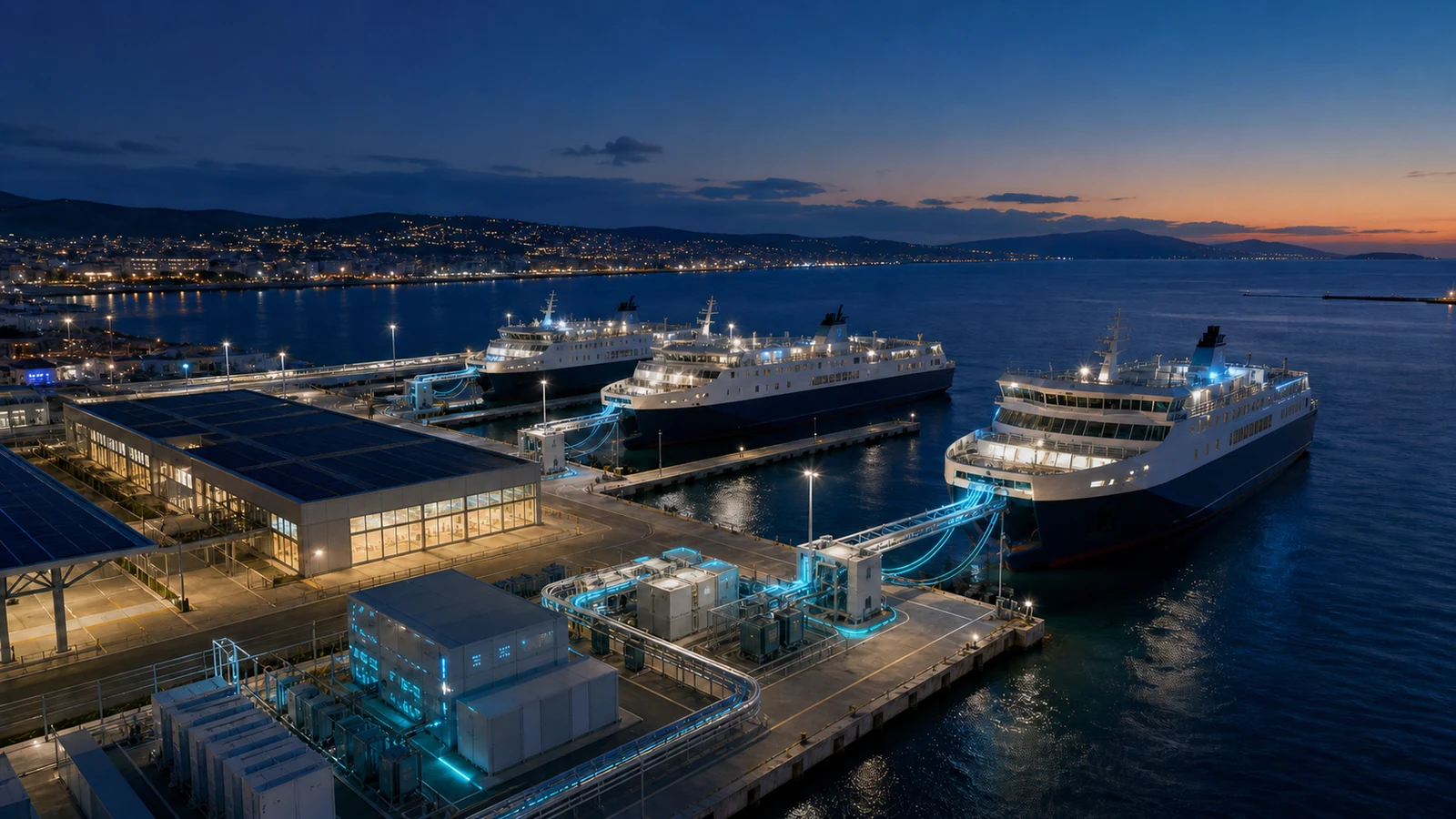
ABB's shore power system in Toulon can simultaneously supply three ferries or one cruise ship, supports 11 and 6.6 kV at 50 and 60 Hz, and operates in conjunction with solar generation and an onshore energy storage system. Shore power is evolving from a cable connection into an intelligent port microgrid.
10. Alternative fuels retained 38% of the global orderbook by tonnage
According to DNV Alternative Fuels Insight, 275 alternative-fuel vessels were ordered in 2025. Their share by gross tonnage remained at 38%: LNG received 188 orders and methanol 61. The market has become more cautious but has not abandoned the energy transition or modular energy architectures.
What unites these ten events
The main trend is integration. Electrical switchboards, propulsion systems, batteries, fuel systems, automation, navigation and shore infrastructure can no longer be designed independently. Suppliers capable of taking responsibility not only for an individual product but also for its operation within an entire vessel system will succeed.
The material was prepared using official statements from organizations and companies. The illustrations are conceptual and do not document specific projects.